 ×
×
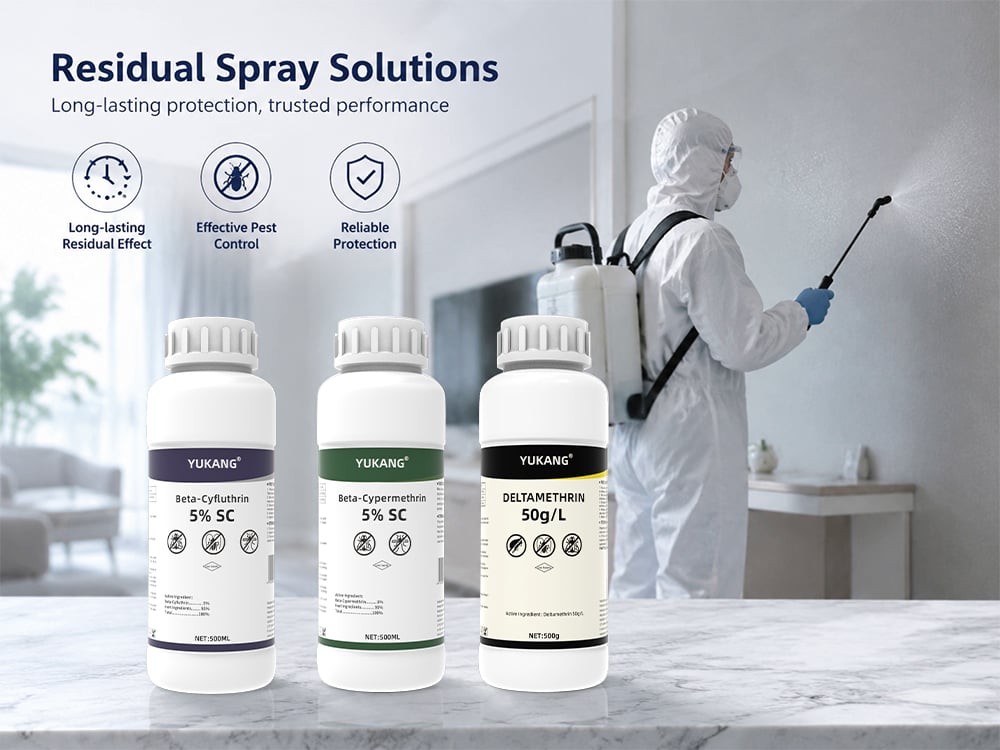
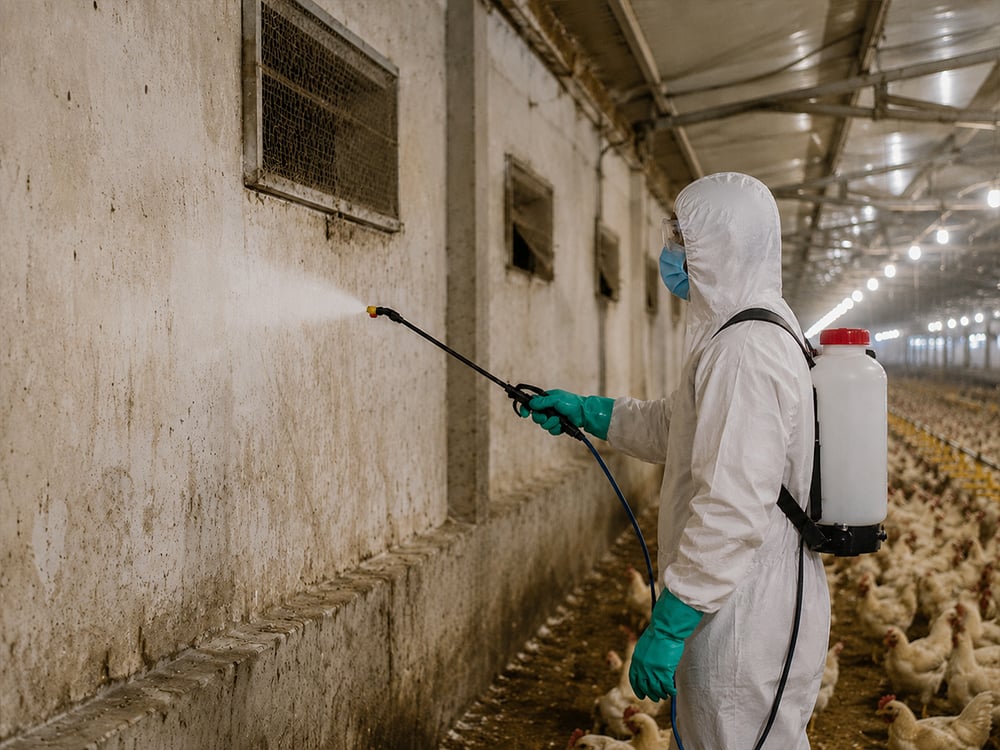
Residual spraying is a professional pest control method in which insecticides are applied to surfaces where insects are likely to land, rest, crawl, or hide. After application, the insecticide remains active on the treated surface for a period of time, continuing to kill pests that come into contact with it.
Unlike space spraying or fogging, which only targets insects present at the moment of application, residual spraying provides ongoing protection through long-lasting surface activity.
Residual insecticides are widely used for the control of cockroaches, mosquitoes, flies, ants, bed bugs, stored-product pests, and other common environmental insects. These products are typically applied to areas where pests frequently hide, rest, or travel, such as wall corners, floors, cracks, and crevices.
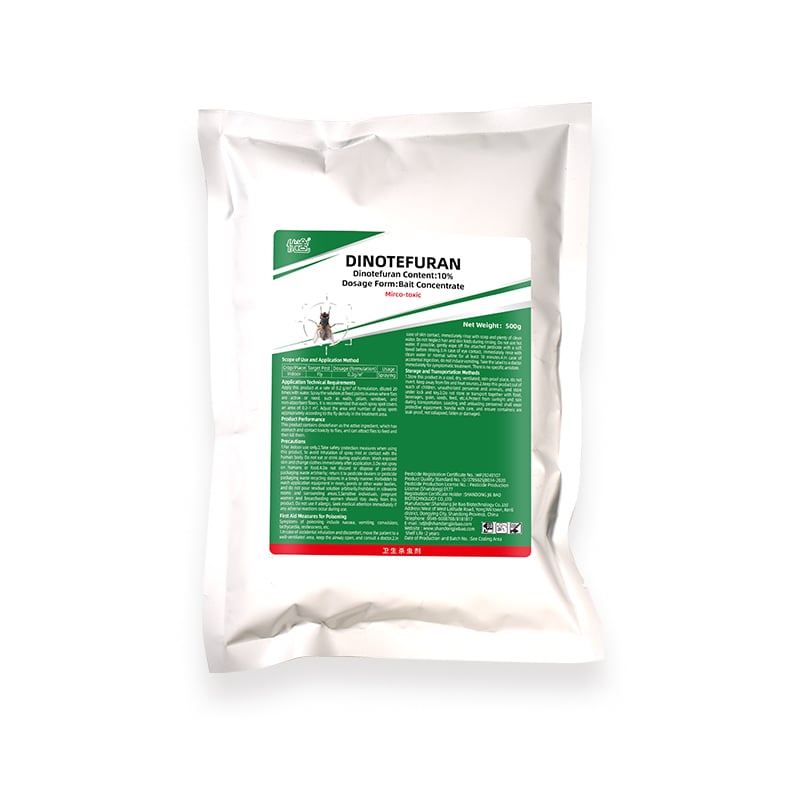
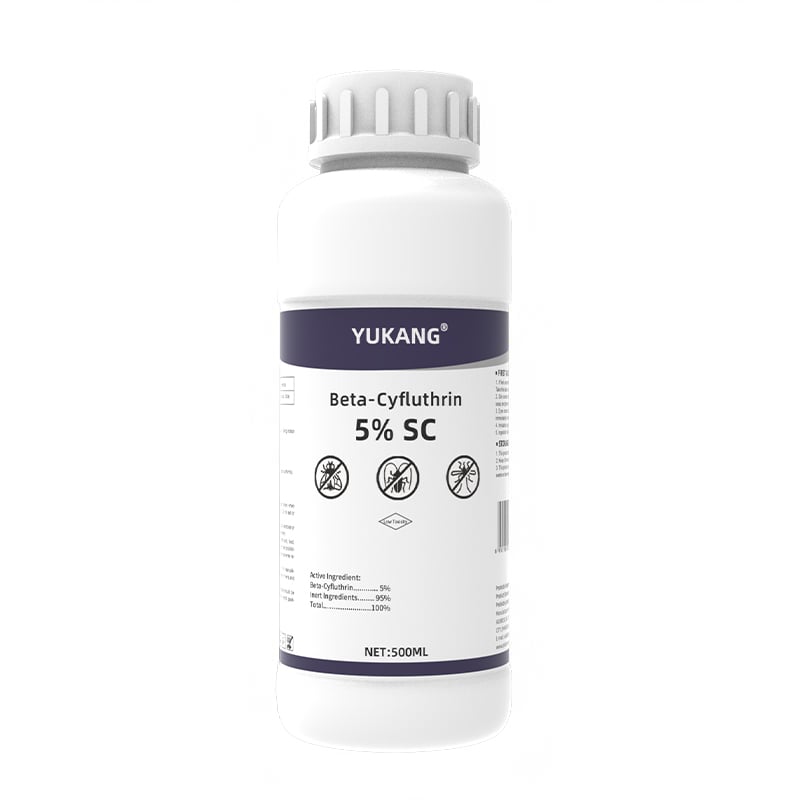
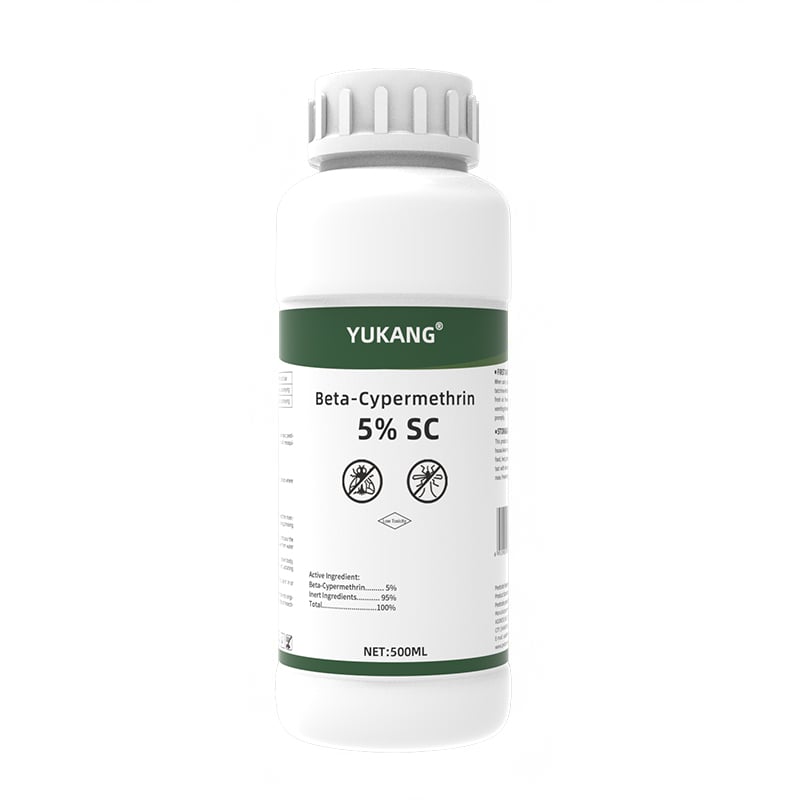
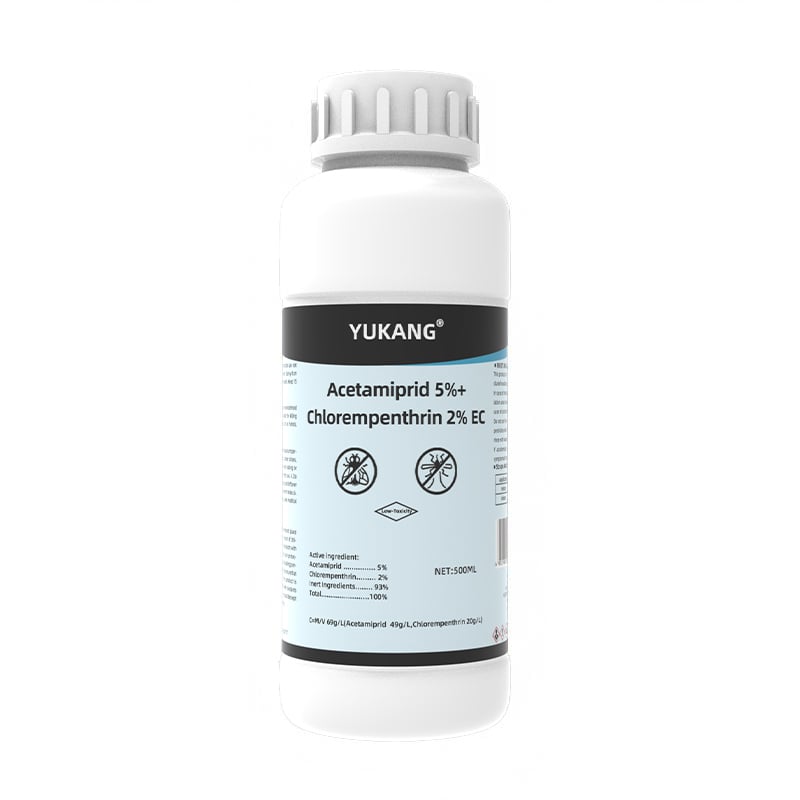
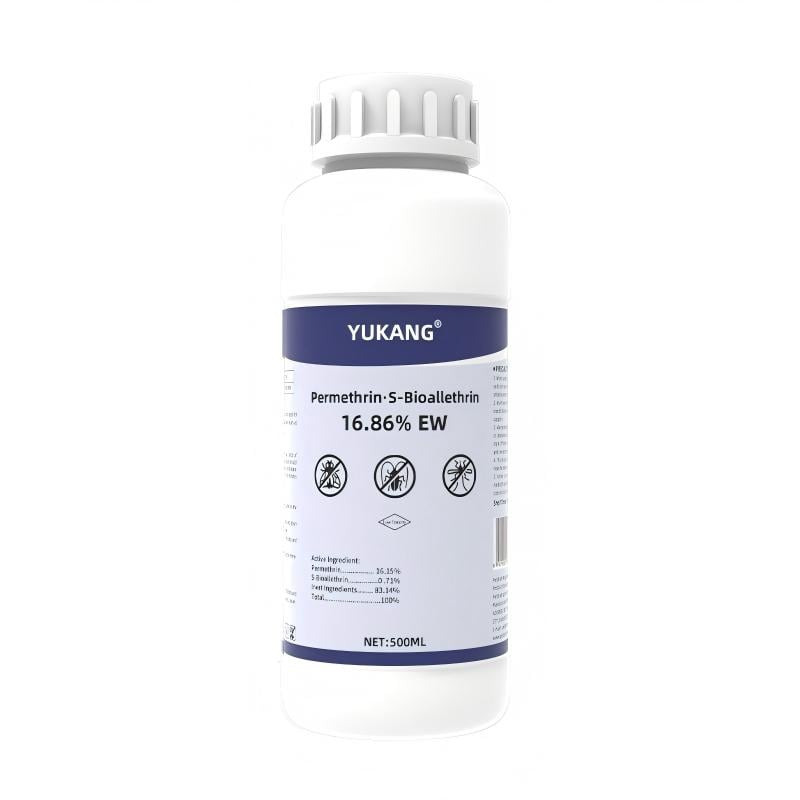
When pests like cockroaches, mosquitoes, flies, ants, or bed bugs come into contact with treated surfaces, they absorb the active ingredients through their legs or bodies. Common active ingredients include Fipronil, Cypermethrin, and Deltamethrin, which ultimately kill the insects through toxic action.
Depending on the formulation, residual insecticides may: kill insects immediately after contact, gradually disrupt the insect nervous system, reduce reproduction and overall colony survival, remain effective for days, weeks, or even months.
Factors such as insecticide type, surface material, temperature and humidity, and cleaning frequency can all influence residual performance. Therefore, selecting the right product is a critical part of achieving effective environmental pest control.
Residual spray insecticides offer several advantages, including long-lasting protection, low application frequency, and precise targeting. They are commonly used in homes, hotels, restaurants, warehouses, hospitals, farms, commercial buildings, and public health mosquito control programs.
Technicians usually apply treatments to areas where pests frequently rest or move, including:
1. Indoor Areas: wall corners, baseboards, behind furniture, under sinks, around doors and windows, cracks and crevices, storage areas
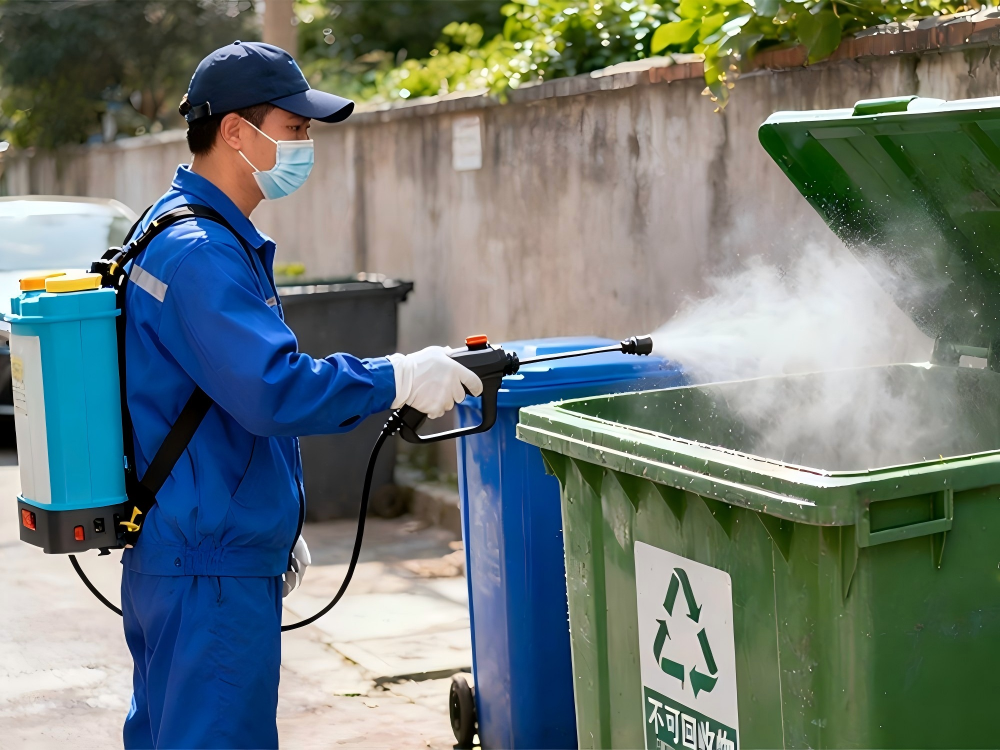
2. Outdoor Areas: exterior walls, garbage areas, vegetation edges, drainage zones, building entrances, animal shelters.
For mosquito control, residual spraying is commonly applied to shaded resting areas, since adult mosquitoes tend to remain in these locations during daytime hours.
When carrying out residual spraying operations, technicians must strictly follow proper application standards, including but not limited to:
Overuse or improper application may lead to rapid resistance development, environmental contamination, and reduced treatment effectiveness.
Today, residual spraying technology is widely used in professional pest control and public health programs, especially for mosquito and cockroach management. To better protect the ecological environment, modern pest control strategies increasingly favor integrated approaches that combine sanitation, physical exclusion, trapping, and targeted chemical applications to maximize overall pest management effectiveness.

SHANDONG JIE BAO BIOTECHNOLOGY CO.,LTD provides professional OEM/ODM pest control solutions for global distributors and PCO companies. 25+ years’ expertise, 100+ formulations, ISO 9001-certified. Request custom insecticide solutions today.
West of West Latitude Road, Yong'an Town, Kenli District, Dongying City, Shandong Province, China
Copyright © 2026 by SHANDONG JIE BAO BIOTECHNOLOGY CO.,LTD Privacy Policy

 EN
EN