 ×
×
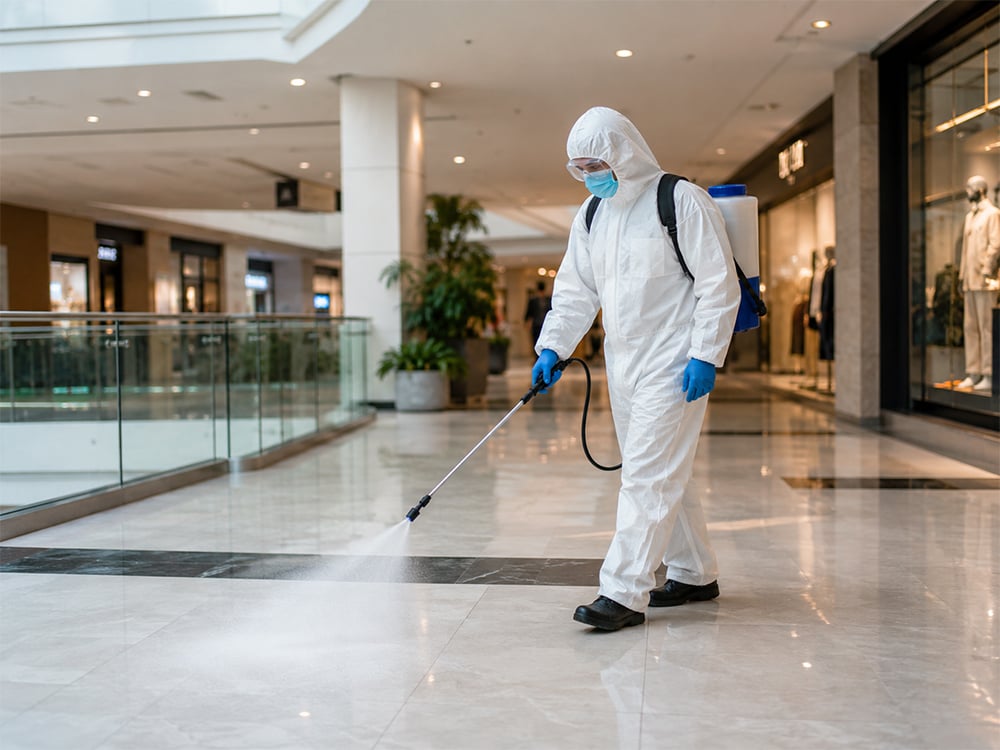
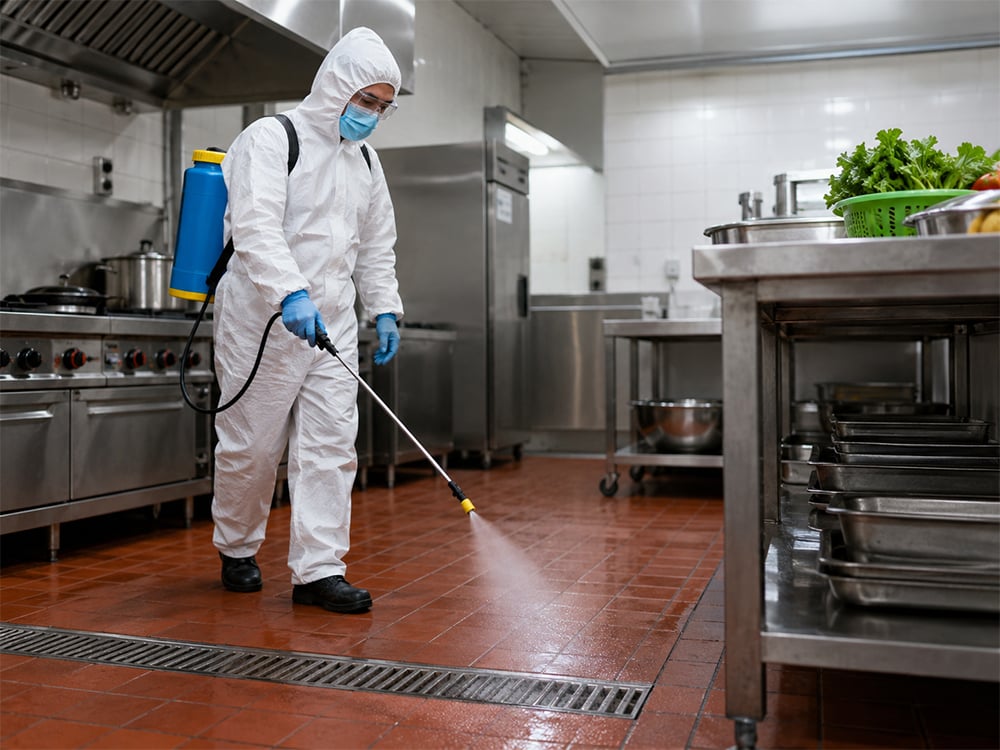
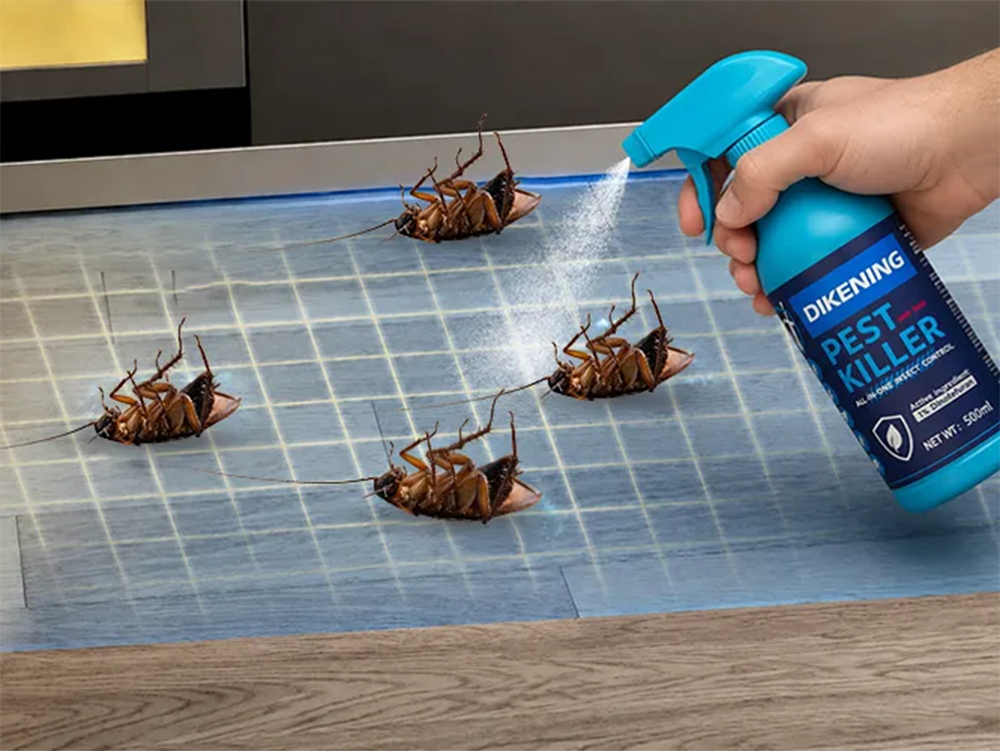
Surface Spraying is a pest control method in which insecticides are directly applied to exposed surfaces such as floors, walls, ceilings, outdoor ground surfaces, vegetation, or building exteriors. Its primary purpose is to create a layer of insecticide coverage in areas where pests frequently crawl, rest, or harbor, thereby achieving rapid elimination and population control.
Unlike space spraying, surface spraying mainly acts on treated surfaces rather than targeting flying insects in the air. After application, pests absorb the active ingredients by crawling, resting, or coming into contact with the treated surfaces, resulting in contact toxicity. Some formulations may also provide short-term residual effects, allowing continued insect control for a certain period of time.
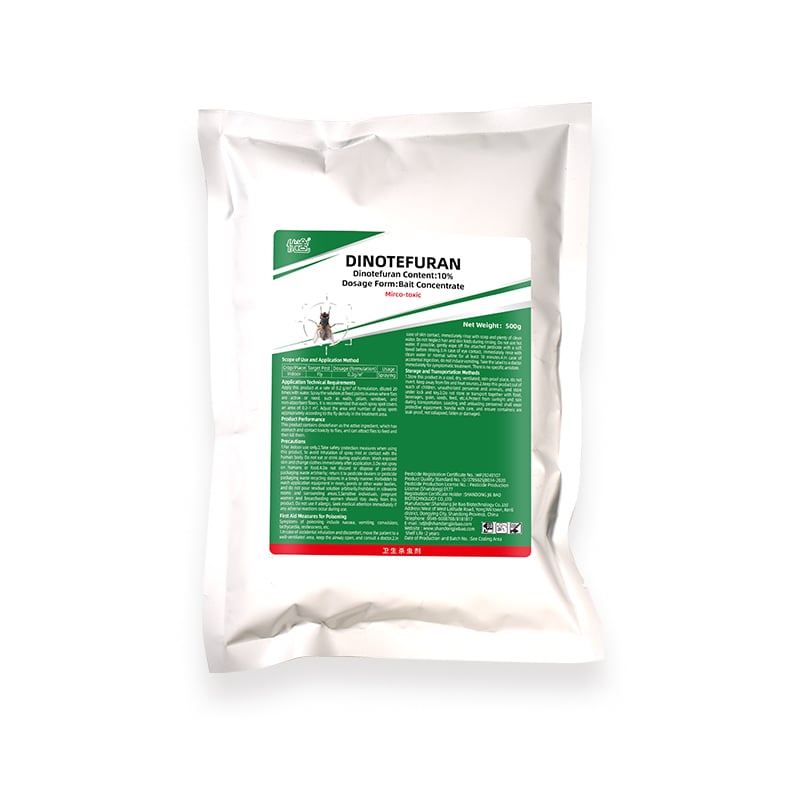
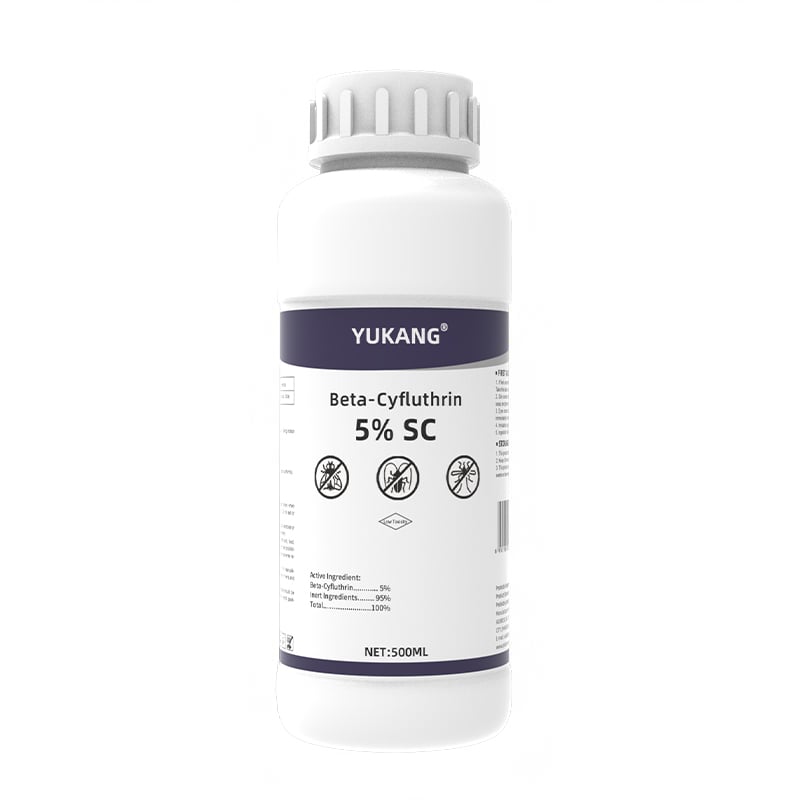
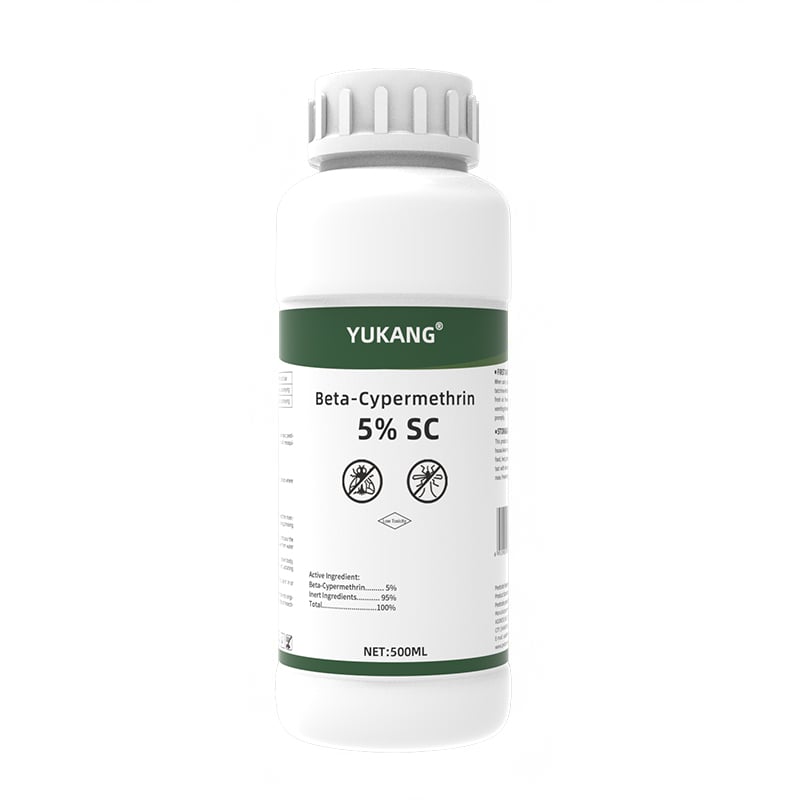
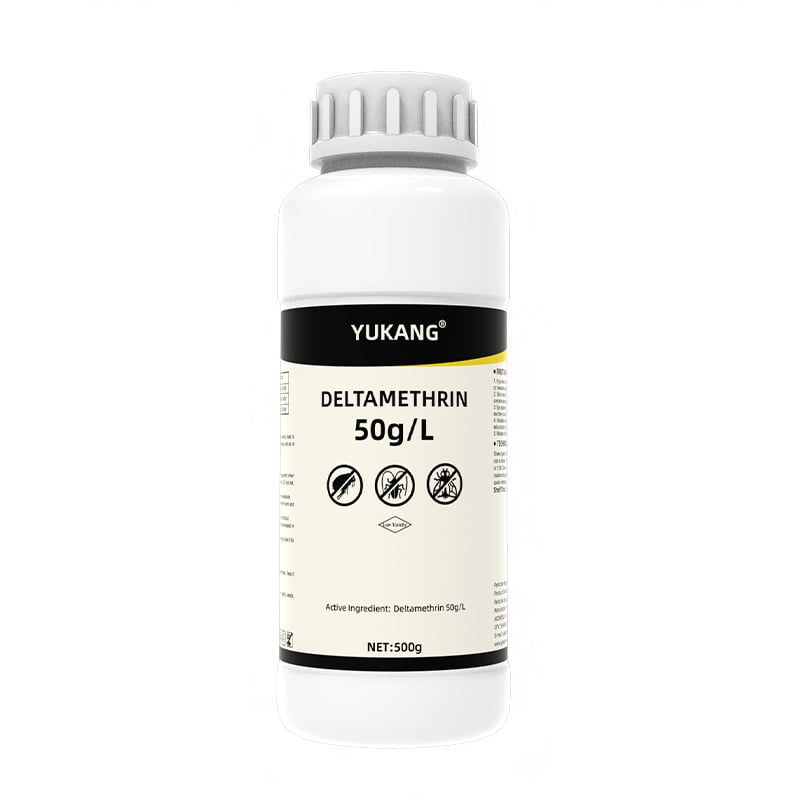
Commonly used formulations include Beta-cypermethrin SC, Deltamethrin SC, Fipronil SC, and Dinotefuran CB formulations. Selecting suitable insecticides and applying them properly are important foundations for improving pest control efficiency.
Surface spraying offers advantages such as rapid area treatment, visible pest control, flexible application, and large-area coverage. It is widely used in public health pest management, agricultural environments, commercial pest control, warehouses and factories, as well as household pest treatment.
During application, technicians need to focus treatment on areas where pests frequently move or rest, including indoor areas such as wall corners, floors, behind furniture, under sinks, and around doors and windows, as well as outdoor areas such as garbage collection zones, drainage surroundings, vegetation and shrub areas, and public walkways. Pest control operators must properly dilute and prepare insecticides, wear necessary protective equipment, and follow product labels and safety instructions throughout the operation process.
It should be noted that surface spraying is not a single or long-term solution. To achieve more stable and sustainable pest control results, it should be combined with environmental management, breeding source elimination, sanitation management, and scientific monitoring to establish a complete Integrated Pest Management (IPM) system.
In the future, with increasing public health and environmental protection requirements, surface spraying technology will continue developing toward greater precision, safety, environmental friendliness, and scientific application.

SHANDONG JIE BAO BIOTECHNOLOGY CO.,LTD provides professional OEM/ODM pest control solutions for global distributors and PCO companies. 25+ years’ expertise, 100+ formulations, ISO 9001-certified. Request custom insecticide solutions today.
West of West Latitude Road, Yong'an Town, Kenli District, Dongying City, Shandong Province, China
Copyright © 2026 by SHANDONG JIE BAO BIOTECHNOLOGY CO.,LTD Privacy Policy

 EN
EN