 ×
×
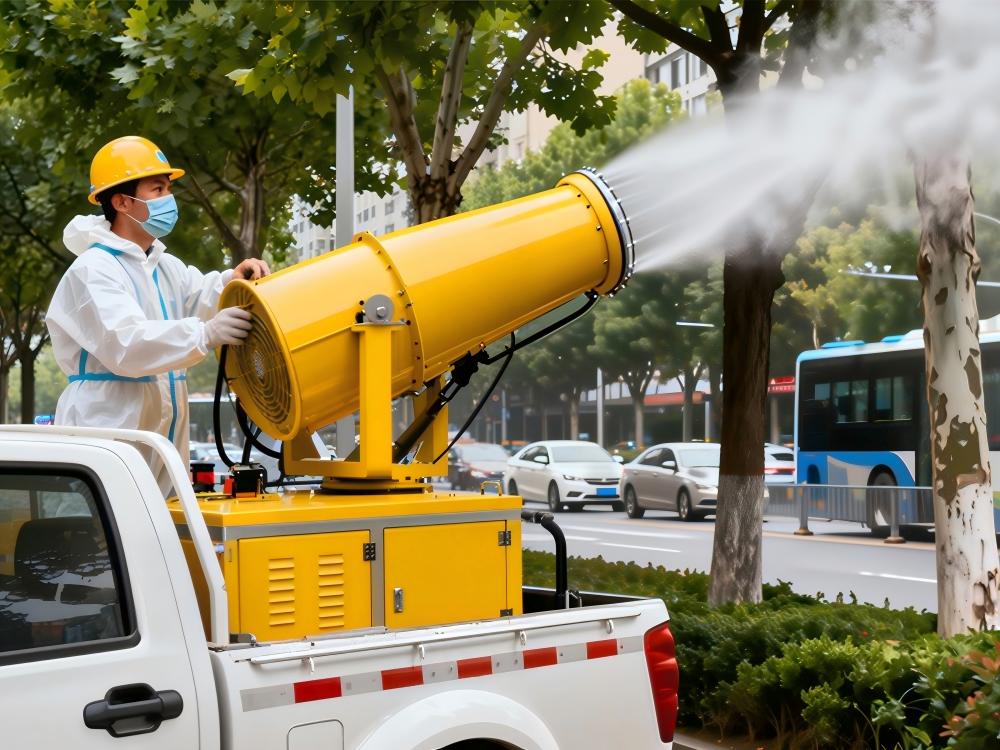
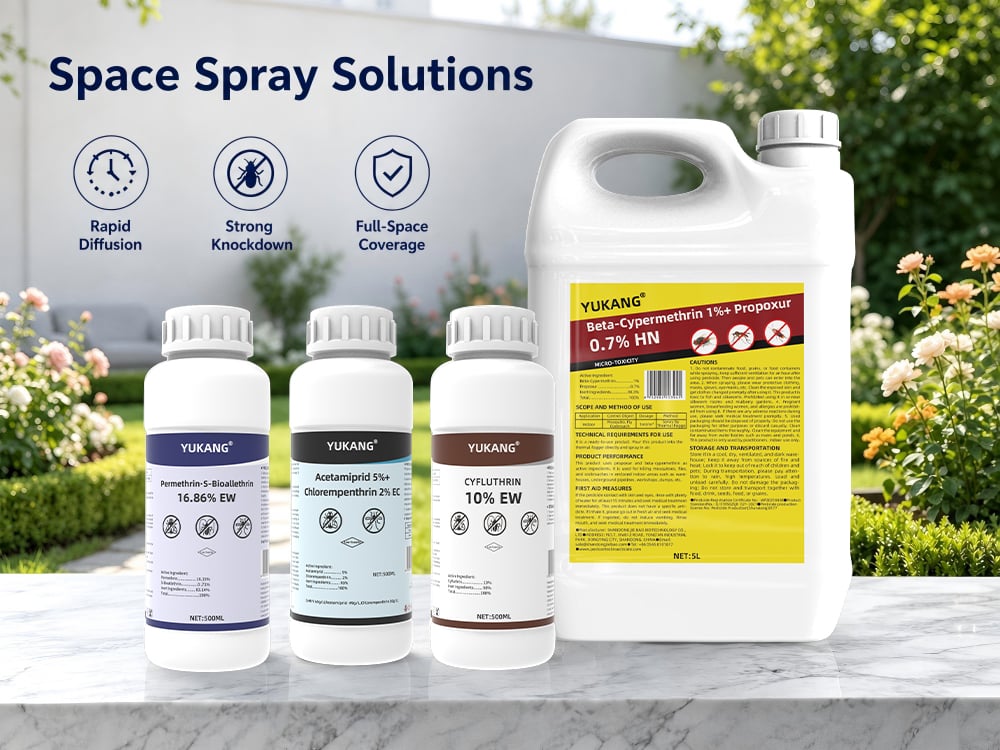
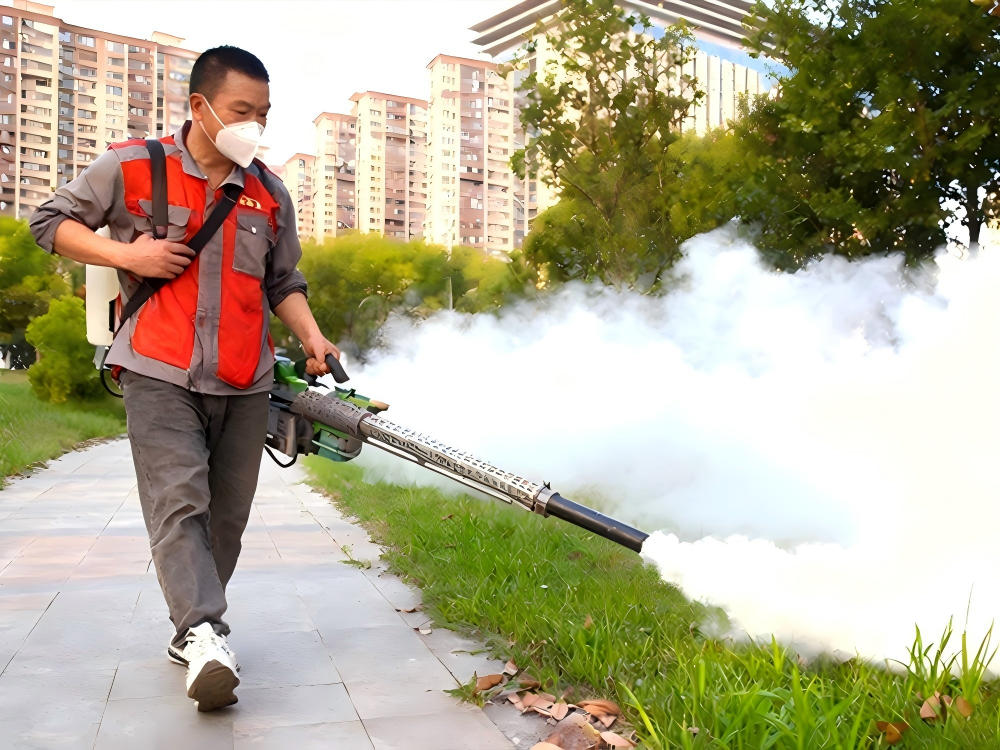
Space Spray is a pest control technology that atomizes insecticides into ultra-fine droplets smaller than 50 microns (μm), allowing them to remain suspended in the air and rapidly kill flying insects such as mosquitoes and flies through direct contact with the droplets during flight.
Its core characteristics include extremely fine droplets, rapid knockdown effect, and little to no residual activity. Like smoke or mist, the droplets can remain suspended in the air for an extended period, spreading and penetrating into cracks and hidden spaces. Through both contact action and fumigation effect, space spraying quickly knocks down flying adult insects. It is considered a fast-acting insect control method and is widely used in hotels, restaurants, supermarkets, warehouses, residential communities, parks, streets, livestock farms, and emergency mosquito and fly control during disease outbreaks.
01 Two Main Types of Space Spraying
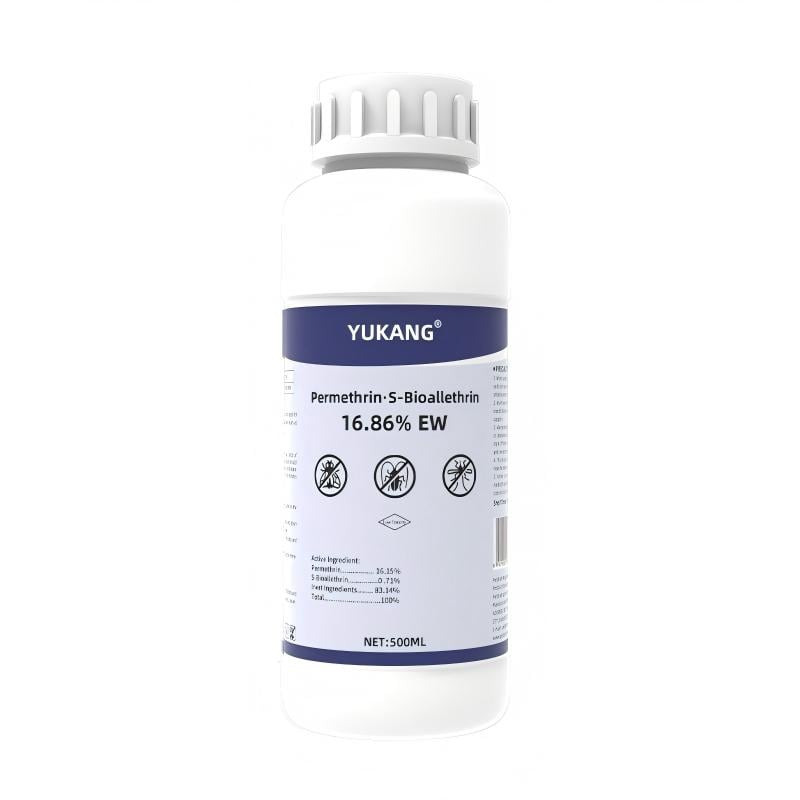
After combining Permethrin with S-Bioallethrin, the formulation is atomized at normal temperature using an ultra-low volume sprayer. The droplet size is typically 5–30 μm, which does not significantly affect visibility. It is suitable for controlling mosquitoes, flies, and cockroaches in indoor environments, urban streets, and food-related areas.
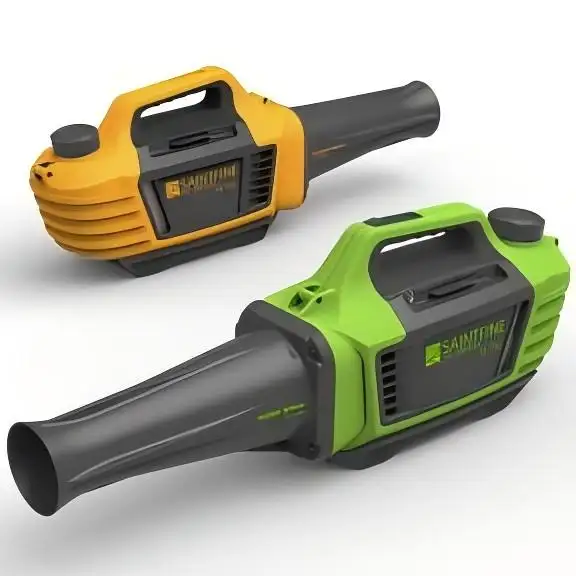
Thermal fogging involves adding thermal fogging agent into a thermal fogging machine, where the liquid is vaporized under high temperature and then condensed into fog-like droplets. Compared with ULV spraying, thermal fogging produces finer droplets with stronger penetration ability, making it suitable for complex outdoor environments such as dense vegetation, sewers, and basements.
02 Typical Application Scenarios of Space Spraying
Due to its advantages of rapid knockdown, wide coverage, and strong diffusion capability, space spraying is widely used in public health pest control and commercial pest management.
During outbreaks of mosquito-borne diseases such as dengue fever, Zika virus, and chikungunya, public health authorities often carry out large-scale ULV spraying or thermal fogging around affected areas, including community streets, park vegetation zones, drainage systems, and building surroundings. The purpose is to rapidly reduce adult mosquito populations and interrupt disease transmission.
Restaurants, food factories, central kitchens, warehouses, and commercial facilities often require strict flying insect management. Cold fogging ULV treatments can quickly process large indoor spaces.
In livestock farms, flies and mosquitoes not only affect animal health but may also spread diseases. Thermal fogging is commonly used because of its stronger penetration ability, effectively covering feed piles, sewage channels, livestock housing corners, damp areas, and shaded environments, thereby helping reduce the risk of vector-borne disease transmission.
03 Correct Understanding of Space Spraying
Although space spraying provides rapid insect knockdown, it is not a “universal solution.”
Space spraying mainly targets flying adult insects and has limited effect on hidden eggs, larvae, and breeding sites. Compared with residual spraying, space spraying usually provides only short-term control. In outdoor environments, factors such as wind, temperature, humidity, and ultraviolet light may all affect droplet dispersion and the duration of effectiveness.
Therefore, space spraying should be regarded as an important pest control tool rather than a standalone long-term solution.
Truly effective long-term pest management requires combining multiple measures, including environmental sanitation management, breeding site elimination, waste management, and other integrated control strategies. Only by establishing a complete integrated pest management system can safer, more environmentally friendly, and more sustainable pest control results be achieved.

SHANDONG JIE BAO BIOTECHNOLOGY CO.,LTD provides professional OEM/ODM pest control solutions for global distributors and PCO companies. 25+ years’ expertise, 100+ formulations, ISO 9001-certified. Request custom insecticide solutions today.
West of West Latitude Road, Yong'an Town, Kenli District, Dongying City, Shandong Province, China
Copyright © 2026 by SHANDONG JIE BAO BIOTECHNOLOGY CO.,LTD Privacy Policy

 EN
EN