 ×
×
Think cockroaches disappear when the temperature drops? Unfortunately, that’s a common misconception. In many colder regions, homeowners are actually noticing more cockroach activity during winter. These pests, once associated mainly with hot and humid summers, are increasingly showing up indoors even in freezing weather.
The reason is simple: when outdoor temperatures fall, cockroaches move inside in search of warmth, food, and shelter. Instead of disappearing, they hide deeper inside homes, making them harder to detect and eliminate.
So why are winter cockroach infestations often more difficult to control? And where exactly are they hiding inside your house? This guide will help you identify their favorite winter hiding spots and understand how to stop them before they multiply!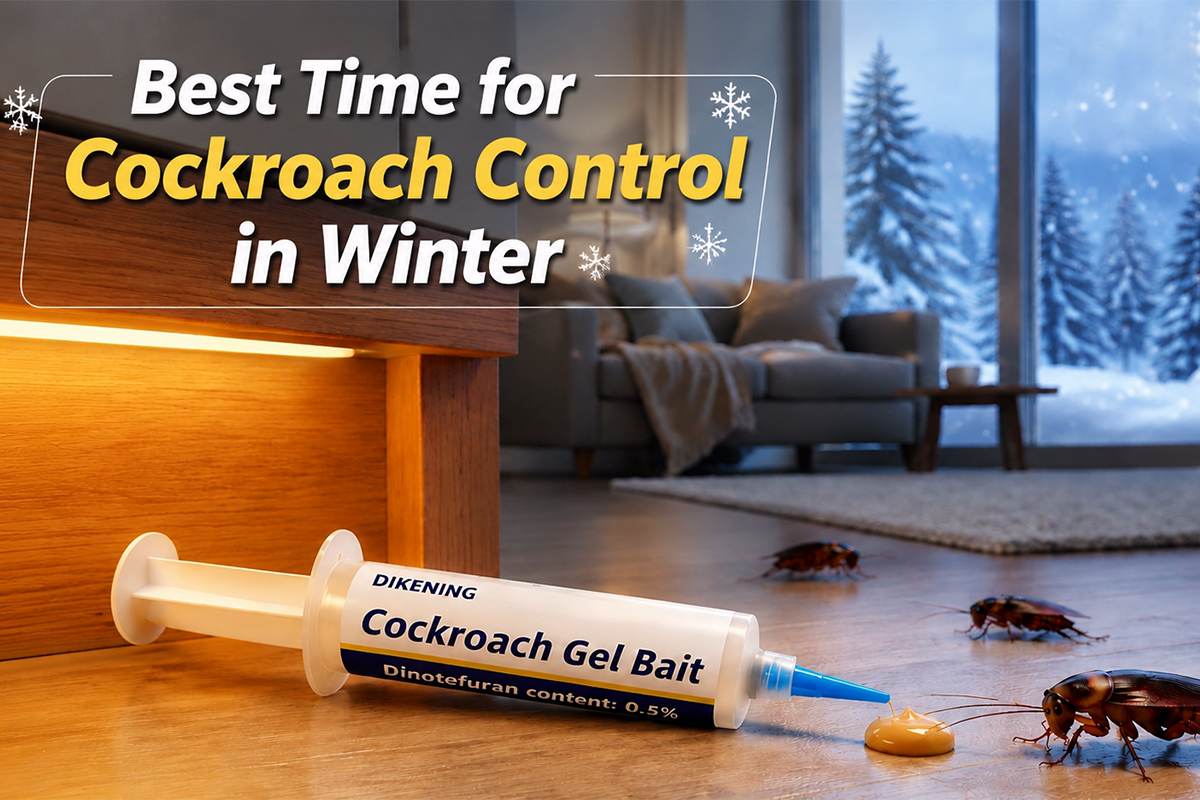
01 Winter: Peak Season for Indoor Cockroach Invasions
From October through February, cockroaches change their survival strategy. As cold-blooded insects, their activity is directly affected by environmental temperature. When the weather becomes colder, they actively migrate into heated indoor spaces. This is especially common in northern regions where indoor heating creates the perfect overwintering environment.
Another factor contributing to increased winter infestations is modern global logistics and shipping networks. Large species such as the American cockroach, once mostly found in southern climates, can now travel long distances through delivery systems and freight transportation.
Cockroach egg cases are small, durable, and easy to overlook. They can attach to cardboard boxes, packaging materials, furniture, or transported goods. Once brought indoors, warm corners of the home become ideal nesting areas for overwintering populations.
02 Common Cockroach Hiding Places Inside the Home
Once indoor heating begins, cockroaches quickly establish themselves in hidden, warm, and humid areas throughout the house.
Kitchen Areas
The kitchen is one of the most attractive environments for cockroaches because it provides three essential survival conditions: food residue, water sources, warmth. Common hiding spots include: under refrigerators, beneath microwaves and ovens, inside cabinet gaps, behind dishwashers, around sinks and drain pipes. These areas are warm, dark, and rarely cleaned thoroughly, making them ideal nesting sites.
Bathrooms and Plumbing Areas
Bathrooms offer moisture and shelter, both highly attractive to cockroaches. Typical hiding spots include: behind water pipes, under sinks, around floor drains, near exhaust fans, inside wall gaps around plumbing. Cockroaches can also travel through sewer systems and drainage pipes between apartments or neighboring units, which is why infestations often spread throughout entire buildings.
Living Rooms and Bedrooms
Cockroaches are not limited to kitchens and bathrooms. They may also hide in: bookshelf cracks, under sofas, carpet edges, storage cabinets, around heating systems or radiators. Dust accumulation, hidden crumbs, and warm temperatures make these locations suitable for long-term survival during winter.
03 How Cockroaches Enter Your Home
Understanding entry points is essential for effective prevention.
Delivery Packages and Cardboard Boxes
Packages shipped from warmer regions may carry cockroach eggs or even live insects. Cardboard provides an ideal shelter during transport.
Grocery Bags, Used Furniture, and Appliances
Second-hand furniture, kitchen appliances, and shopping bags from restaurants or food markets can unintentionally introduce cockroaches into the home.
Building Structures and Shared Utilities
Cockroaches can move through: pipe systems, ventilation shafts, electrical conduits, wall cracks, floor gaps. Older buildings are especially vulnerable due to structural openings and aging infrastructure.
Neighboring Infestations
In apartments and multi-unit buildings, a cockroach problem in one unit can quickly spread through shared walls and utility lines.
04 Winter Is Actually the Best Time for Cockroach Control
Surprisingly, winter is one of the most effective seasons for cockroach treatment. Because their activity zones become more concentrated indoors, infestations are easier to target directly. Eliminating overwintering cockroaches during winter can significantly reduce population growth in spring and summer.
Keep the Environment Clean
Sanitation remains the foundation of cockroach prevention:
Reducing food and water sources makes survival much more difficult for cockroaches.
Seal Cracks and Gaps
Physical exclusion is another key control strategy. Use sealants or fillers to close: wall cracks, cabinet gaps, pipe openings, unused drain holes, damaged flooring areas. This reduces hiding places and limits movement between nesting sites.
05 Choosing the Right Cockroach Control Solution
Physical Methods
Glue traps and cockroach sticky boards are commonly used for monitoring and supplementary control. However, they are usually insufficient for eliminating established infestations.
Chemical Control: Gel Baits
For household use, gel bait treatments are widely considered one of the most effective solutions. Unlike conventional sprays that often kill only visible adult cockroaches, high-quality gel baits target the colony itself.
A professional-grade - YUKANG 0.5% Dinotefuran Cockroach Gel Bait is specifically designed to address common winter infestation challenges such as hidden nests, recurring activity, and resistance to traditional treatments.
How Gel Bait Works
1. Strong Attraction Effect
The gel contains food attractants and cockroach pheromone-based lures that draw hidden cockroaches out of cracks and nesting sites — even during winter when activity levels are lower.
2. Secondary Transfer Elimination
Cockroaches that consume the bait do not die immediately. Instead, they return to the nest carrying the active ingredient.
Other cockroaches become exposed through contact, droppings, or feeding on contaminated individuals, creating a chain-reaction effect that helps eliminate the colony at its source.
Precision Application for Hidden Areas
Syringe-style gel bait applicators are especially effective during winter because they allow precise placement deep inside narrow cracks and hidden voids where cockroaches typically shelter.
Recommended Application Areas
Apply small bait placements in: cabinet hinges and gaps, under refrigerators and appliances, around sinks and drain pipes, behind toilets and vanities, around air conditioner or utility line openings, behind storage cabinets and TV stands, important Usage Tips
Before application:
① Clean grease and food residue
② Remove cockroach droppings
③ Reduce competing food sources
④ Seal obvious structural gaps
After application:
① Avoid cleaning away the bait
② Replenish bait if consumed
③ Allow 1–2 weeks for full colony elimination
In most cases, noticeable reduction appears within 3–5 days, while complete control may take approximately two weeks depending on infestation severity.
06 Final Thoughts
The key to winter cockroach prevention is simple: identify hiding places and break the survival cycle.
Cockroaches thrive in hidden warm areas such as kitchens, bathrooms, heating systems, and storage spaces. With regular cleaning, proper sealing, and targeted bait application, you can dramatically reduce infestation risks and prevent population rebound in warmer seasons.
If you already notice signs of cockroach activity indoors, early treatment is critical. Severe infestations may require professional pest control services for complete elimination.

SHANDONG JIE BAO BIOTECHNOLOGY CO.,LTD provides professional OEM/ODM pest control solutions for global distributors and PCO companies. 25+ years’ expertise, 100+ formulations, ISO 9001-certified. Request custom insecticide solutions today.
West of West Latitude Road, Yong'an Town, Kenli District, Dongying City, Shandong Province, China
Copyright © 2026 by SHANDONG JIE BAO BIOTECHNOLOGY CO.,LTD Privacy Policy

 EN
EN


 Hot News