 ×
×
Recently, a rare yet highly fatal virus — the Andes Hantavirus — has once again drawn global public health attention.
Between April and May 2026, multiple severe respiratory illness cases were reported aboard the South Atlantic expedition cruise ship MV Hondius, which departed from Argentina. The outbreak resulted in three deaths and several confirmed infections. Because this strain is one of the few known hantaviruses with limited human-to-human transmission capability, the incident quickly attracted the attention of international health organizations including the WHO, CDC, and ECDC.
What Is Andes Hantavirus?
Andes Hantavirus (ANDV) is a subtype of hantavirus primarily found in South America, including Argentina, Chile, and Paraguay.
Most hantaviruses are transmitted through exposure to rodent urine, droppings, or contaminated aerosols. However, the Andes strain is unique because it has demonstrated limited person-to-person transmission, which is the key reason this outbreak has raised global concern and renewed awareness of rodent-borne disease risks worldwide.
The incident serves as another warning to global public health systems about the growing threat posed by zoonotic diseases and rodent contamination.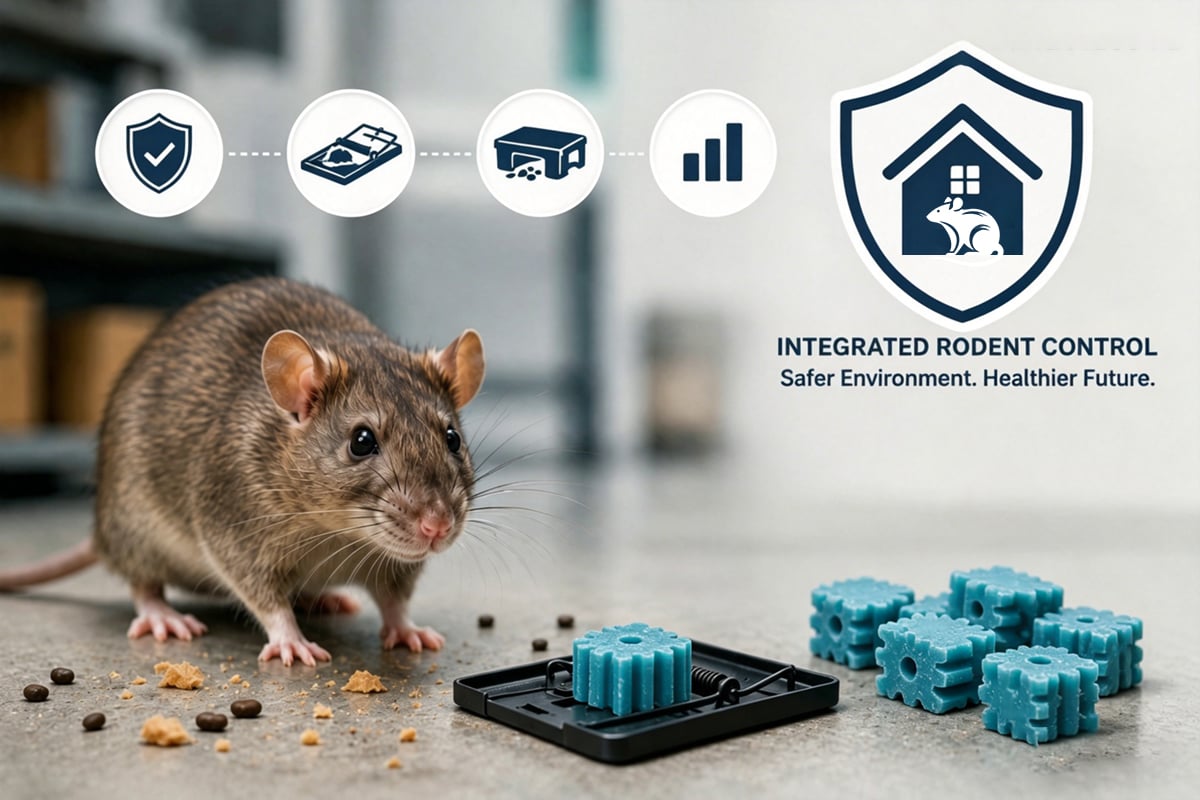
Introduction to Rodent Hazards
Rodents pose a far greater threat than most people realize.
They are known carriers of more than 200 pathogens, including bacteria, viruses, rickettsiae, and parasites — with at least 57 capable of causing diseases in humans.
These diseases can spread through multiple transmission routes:
* Bites from rodent ectoparasites such as fleas and mites
* Contamination of food and water by rodent urine and droppings
* Direct rodent bites or pathogen exposure through open wounds
Globally, rodent species vary by region, but commensal rodents such as house mice and brown rats remain among the most widespread and destructive urban pests.
Beyond health risks, rodents also cause severe economic damage: Each year, millions of tons of stored food and agricultural products are lost worldwide due to rodent infestation and contamination.
Rodents are also notorious for their gnawing behavior:
They frequently damage electrical wires, cables, packaging, pipelines, and infrastructure, which can lead to: equipment failure, communication outages, transportation disruption, costly property damage, electrical fires and safety hazards.
Effective rodent control is essential not only for public health protection, but also for safeguarding businesses, facilities, food storage, and critical infrastructure.
Rodent Behavior and Habits
Rodents are primarily nocturnal animals, remaining hidden during the day and becoming active at night. They rely heavily on their sense of smell to locate food and typically establish fixed travel routes between nesting sites, food sources, and water supplies.
They are highly agile, cautious, and intelligent. Before leaving their nests, rodents carefully observe their surroundings to ensure safety, allowing them to survive and remain undetected in human environments for long periods.
Rodents also possess sharp vision. Nocturnal species can detect movement even under very low light conditions, while daytime-active rodents generally have stronger eyesight. In addition, they are excellent burrowers and often create holes in walls, warehouses, kitchens, ceilings, and storage facilities.
One of the most challenging characteristics of rodents is their strong memory and bait aversion behavior. Even small environmental changes can trigger suspicion and avoidance. After experiencing danger or failed trapping attempts, rodents may avoid the area for an extended period. This is why single-action rodent control measures are often ineffective, and long-term integrated management strategies are essential.
Integrated Rodent Control Solutions
Effective rodent management requires a systematic and integrated approach. Relying on a single control method is rarely sufficient. Successful rodent prevention focuses on both eliminating existing infestations and addressing the environmental conditions that allow rodents to thrive.
Environmental Management
Environmental sanitation is the foundation of rodent prevention. Recommended measures include:
1. Eliminating clutter and sanitation dead zones
2. Removing potential nesting materials and hiding places
3. Sealing cracks, gaps, and entry points
4. Installing rodent-proof barriers at warehouse entrances (recommended height: over 60 cm)
Physical Control
Creating an effective physical barrier is one of the most important steps in preventing rodent intrusion.
Mechanical control methods such as snap traps, cage traps, and glue boards are commonly used in indoor environments and residential areas.
High-quality glue boards are particularly effective for physical rodent control. Heavy-duty adhesive formulas combined with reinforced boards can successfully capture even large rodents. Folding glue boards into tunnel-like shapes may further improve trapping efficiency.
For best results, professionals often recommend placing traps or glue boards for 3–7 days without activating or disturbing them, allowing rodents to become familiar with the devices before capture.
Chemical Control
Second-generation anticoagulant rodenticides, such as Brodifacoum and Bromadiolone, are widely used for professional rodent management. These active ingredients feature strong palatability and delayed-action mechanisms, enabling effective population control while reducing bait avoidance.
Rodenticide formulations are available in multiple formats, including: Grain bait, Wax pellets, Wax blocks, Pastes, etc. Different formulations can be selected according to environmental conditions and target rodent species. Chemical rodent control should always be handled by trained professionals, with clear warning signage placed around treatment areas.
Rodent Monitoring and Surveillance Methods
Scientific monitoring is essential for effective rodent management. Rodent surveillance programs are widely used to evaluate population density and assess control effectiveness over time.
Common Monitoring Methods:
Trap-Night Method
This method uses snap traps or cage traps placed in monitored locations. Rodent density is calculated based on the capture rate per 100 effective trap-nights.
Glue Board Monitoring
Glue board monitoring measures the number of rodents captured per 100 effective glue boards and is commonly used in residential and indoor environments.
Different monitoring methods are suitable for different environments:
· Indoor residential and urban areas: glue board monitoring
· Agricultural land, forests, and outdoor areas: trap-night monitoring
It is important to note that monitoring itself can temporarily reduce local rodent populations. For this reason, professionals generally recommend avoiding repeated monitoring within the same area for at least three months, while maintaining a minimum distance of 0.25 km between monitoring sites.
Rodent Control Safety Precautions
Safety should always remain the top priority during rodent control operations. Rodenticides may pose risks to non-target animals, pets, and humans if improperly handled.
Key safety recommendations include:
For anticoagulant rodenticides such as Bromadiolone and Brodifacoum, Vitamin K1 serves as the primary antidote in cases of accidental exposure or poisoning.
If accidental ingestion occurs, seek immediate medical attention and provide healthcare professionals with information about the rodenticide involved.

SHANDONG JIE BAO BIOTECHNOLOGY CO.,LTD provides professional OEM/ODM pest control solutions for global distributors and PCO companies. 25+ years’ expertise, 100+ formulations, ISO 9001-certified. Request custom insecticide solutions today.
West of West Latitude Road, Yong'an Town, Kenli District, Dongying City, Shandong Province, China
Copyright © 2026 by SHANDONG JIE BAO BIOTECHNOLOGY CO.,LTD Privacy Policy

 EN
EN






 Hot News