 ×
From hawker stalls in Singapore to noodle shops in Bangkok and food courts in Manila, Southeast Asia's food businesses operate in one of the world's most inspected environments. Two pests cause most hygiene failures: flies and cockroaches. Both are drawn by the same things that draw customers — food, warmth, and moisture — and both are judged on evidence, not excuses. The good news: food business pest control no longer requires fogging sprays over prep counters. Targeted baiting — granular fly bait around waste zones and gel bait in kitchen harborages — keeps premises clean and compliant without contaminating a single food-contact surface.
Food premises are pest magnets because they are food, water, and shelter in one building. Flies feed on wastes, carcasses, and garbage, and the bacteria they pick up stick to their mouthparts and footpads, transferring to every surface they land on — including exposed food. The house fly, the species most associated with human dwellings, transmits a range of disease-causing organisms including Salmonella and E. coli. Cockroaches are scavengers that forage at night in kitchens, bathrooms, and drains; they contaminate surfaces and food with bacteria associated with salmonellosis, dysentery, and gastroenteritis, and their droppings and cast skins are linked to asthma and eczema.
The public-health stakes are documented. WHO estimates that 866 million people — almost 1 in 9 worldwide — fall ill from eating contaminated food each year, and 1.52 million die. WHO's Five Keys to Safer Food are explicitly framed for handlers "when selling at restaurants or at local markets," and keeping pests away from food is part of keeping clean.
Health inspectors grade on evidence: live insects, droppings, egg casings, and smear marks in storage, prep, and service areas. A single finding can downgrade a hygiene grade, suspend a license, or close an outlet — and in a dense city center, the reputation cost travels faster than the fine. In Southeast Asia's dense food landscape — hawker centres, wet markets, and street-food corridors — inspection cycles are short and standards keep tightening, and operators are expected to show a documented pest management routine, not just a can of spray.
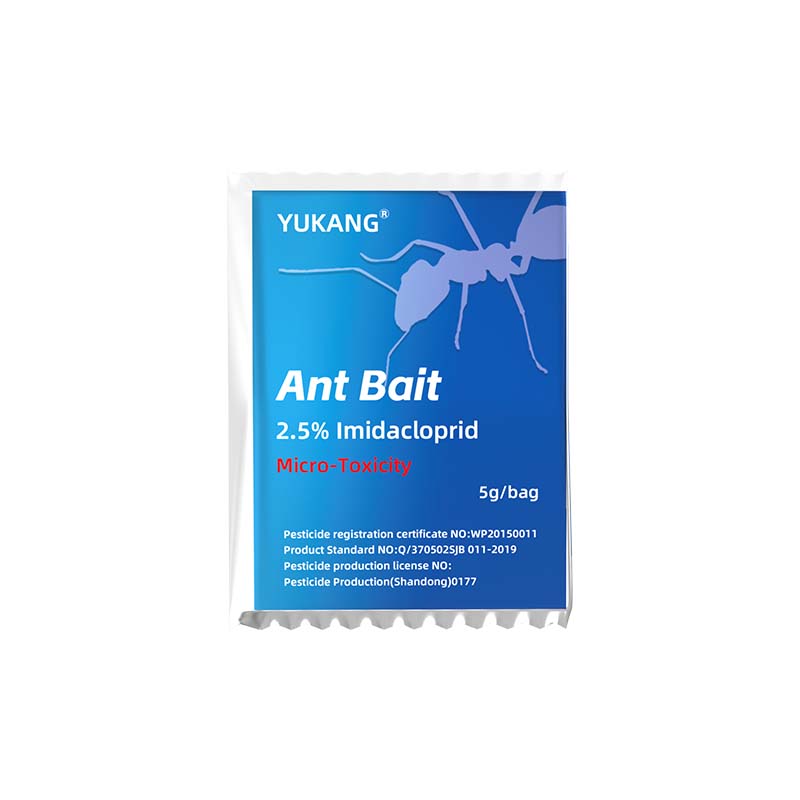
The right tool for fly control for food stalls is a ready-to-use granular bait: 2.5% imidacloprid combined with food attractants. It is a stomach poison — flies feed, the active ingredient disrupts nerve signal transmission, and they die at the bait site, so there is no residue drifting over counters.
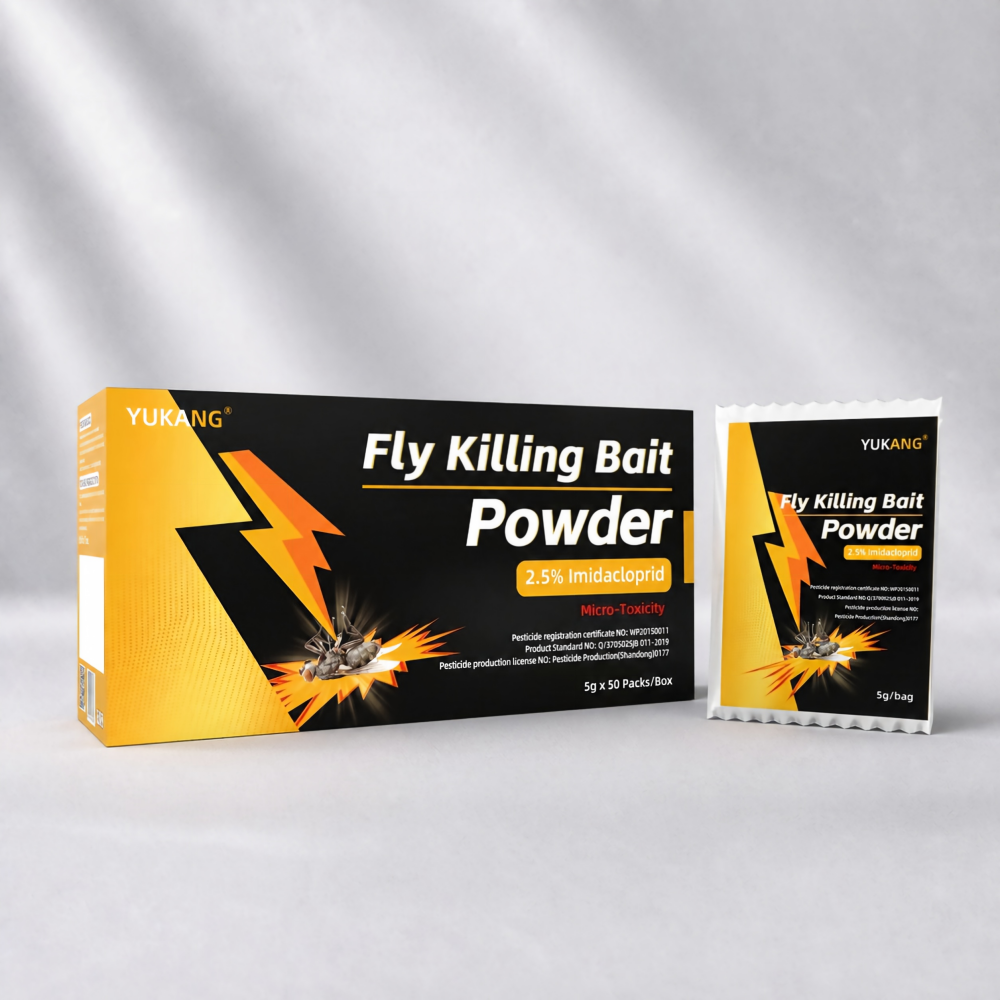
Apply roughly 2–3 grams per square meter in the zones flies actually visit:
·Waste zone. Place bait near bins and waste storage — ideally inside a covered bait station or container, so staff never touch the granules.
·Prep-area perimeters. Along baseboards and corners around prep lines, never on food-contact surfaces.
·Cracks and corners. Fly resting sites in the early morning and evening.
Two placement rules matter: keep the bait dry (it degrades in damp conditions — do not place it in bathrooms or on wet drains), and reapply once granules are consumed or covered with dust. In food premises, a weekly check is the practical rhythm. The same principle that makes this a good commercial fly bait — targeted, contained, self-limiting — is what makes it defensible in an audit.
Baiting works alongside sanitation, not instead of it: closed bins, daily waste removal, and prompt spill cleanup remove the breeding sources that bait cannot reach, while the bait removes the adults that hygiene alone cannot stop.
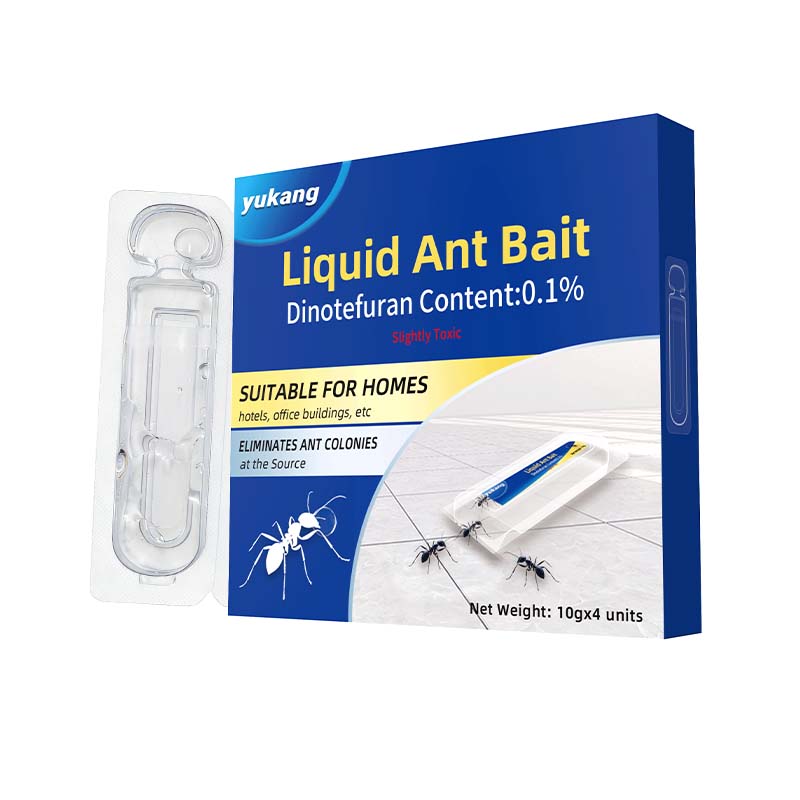
For cockroach control in a restaurant kitchen, the standard professional tool is a 2.5% imidacloprid gel bait applied in small dabs — about the size of a pea — directly into harborages and travel routes:
·Under and behind refrigerators, stoves, and ovens
·Inside cabinet hinges and along drawer slides
·Around pipe entries under sinks
·Along wall-floor junctions and behind wall-mounted shelves
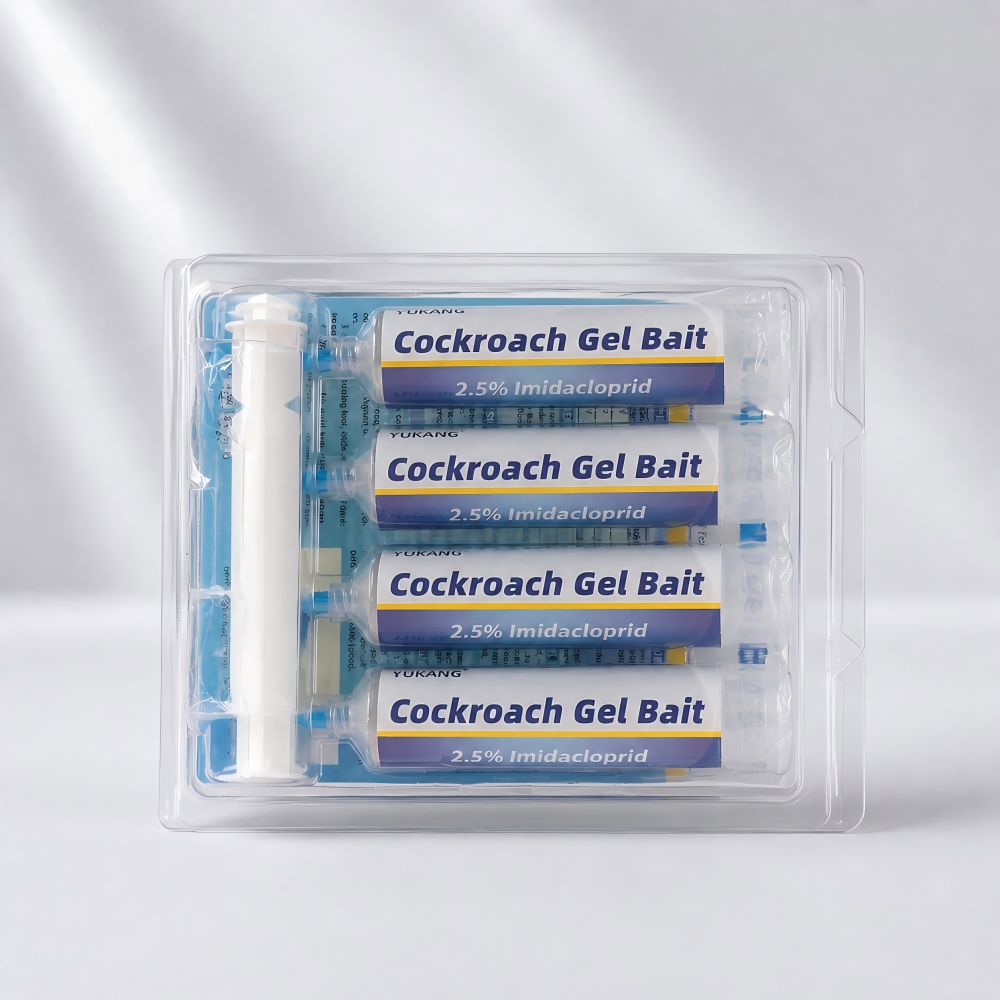
Dosage per the label: 1–2 dabs per square meter for light activity, 3–5 for heavy infestations. Reapply when dabs are consumed or after two to three weeks.
Gel bait has one decisive advantage in a kitchen: the insecticide stays where you put it. There is no aerosol, no drift, and no settling on food-contact surfaces. Roaches that feed return to their harborages before dying, and the active ingredient spreads through the colony via their natural corpse- and feces-feeding behavior — the same secondary-kill mechanism professional pest control operators rely on across the region.
Label rules are non-negotiable in food premises: keep bait away from food, drinking water, and utensils; wash hands after application; and never spray insecticide near gel bait — spray residue repels roaches and ruins the bait's effectiveness.
Aerosol spraying is still common in food businesses, and it fails on three counts:
Knockdown is not control. A spray kills the insects it hits; it does nothing to the nymphs, egg-laying females, and individuals sheltering in voids — the population that bait reaches through secondary kill. For restaurant pest control that must survive both an audit and a busy service, contained baiting is the defensible choice.
DIY baiting — a granular fly bait plus a gel bait, applied on the label schedule with a weekly check — costs little beyond product and staff time. A single sachet covers a stall for weeks, a gel tube covers a kitchen, and the routine takes about thirty minutes a week. It suits single outlets with manageable pest pressure, and it gives the owner direct visibility of what is being applied, where, and when.
Professional contracts — scheduled inspections, technician application, and written documentation — cost more and are usually billed per visit or per quarter. The documentation is the real value: audit-ready records of what was applied and when. For chains, multi-outlet operators, and businesses with strict certification requirements, a contract is often unavoidable.
The middle path most operators take: a professional baseline inspection, with in-house baiting between visits using the same products professional operators deploy. Scale the numbers yourself. At the label dosage of 2–3 g/m², a single 5 g fly-bait sachet covers roughly two square meters of bait points — enough for a stall's waste zone in one application round. On the cockroach side, one 120 g carton of gel (four syringes) covers approximately 120–600 m² depending on infestation density, per the product's application guidance — a full treatment cycle for a typical outlet. The products that pass audits are the same ones sold to professional operators; buying them directly is what makes DIY baiting cost-effective. That is the pattern that keeps stalls open and kitchens compliant from Singapore to Saigon.
The bottom line. The businesses that fail inspections have flies or roaches; the ones that pass have a baiting routine. Granular fly bait around waste zones, gel bait in kitchen harborages, and a weekly check — that is food business pest control that works, without a single spray over your prep counters.

SHANDONG JIE BAO BIOTECHNOLOGY CO.,LTD provides professional OEM/ODM pest control solutions for global distributors and PCO companies. 25+ years’ expertise, 100+ formulations, ISO 9001-certified. Request custom insecticide solutions today.
West of West Latitude Road, Yong'an Town, Kenli District, Dongying City, Shandong Province, China
Copyright © 2026 by SHANDONG JIE BAO BIOTECHNOLOGY CO.,LTD Privacy Policy

 EN


 Hot News